

Similan Islands: Southeast Asia’s Premier Dive and Snorkel Destination
The Similan Islands sit off Thailand’s Andaman coast and are widely regarded as one of Southeast Asia’s finest diving and snorkeling destinations. This remote national park of nine islands combines granite boulder seascapes, clear blue water, and rich marine life that attracts serious divers and adventurous snorkelers from all over the world.
What sets the Similan Islands apart is the mix of dramatic underwater scenery, consistently good visibility in season, and the feeling of exploring a genuine tropical wilderness with very limited development on shore. For many visitors, a Similan trip is the “big-ticket” underwater experience of their time in Thailand.
Planning Your Similan Trip with Other Andaman Tours
At the moment, Simba Sea Trips focuses on small‑group and private tours to destinations closer to Phuket, such as the Phi Phi Islands, Phang Nga Bay, and local offshore islands, rather than directly operating Similan itineraries. Many visitors choose to combine a specialist Similan trip with a Simba tour elsewhere in the Andaman Sea for a well‑rounded experience. For example, you might: Join a dedicated Similan operator for a day trip or liveaboard during the open season. Pair that with an early‑morning Simba tour to Phi Phi or Phang Nga Bay, where small groups and careful timing help you enjoy quieter lagoons, reefs, and viewpoints. If you are unsure how to split your time between Similan and closer island tours, Simba’s team can share up‑to‑date insights on sea conditions, seasons, and which experiences tend to suit different types of travellers.
What You’ll Experience at the Similan Islands
A typical Similan visit combines boat travel, dives or snorkel sessions, and simple beach time inside a remote national park.
Getting to the Islands
Most visitors reach the Similan Islands by high‑speed boat from designated piers on the Andaman coast, with travel times usually between 60 and 90 minutes depending on the departure point. Others join specialist liveaboard trips that travel more slowly but allow you to wake up already at the dive sites each morning.
Diving Multiple Sites
Certified divers usually enjoy several different dive sites during a single day or multi‑day itinerary. These can include:
- Boulder‑strewn slopes with dramatic swim‑throughs
- Wall dives where the reef drops away beneath you
- Exposed pinnacles with more current and schooling fish
- Shallow coral gardens ideal for slower, macro‑focused dives
Snorkeling the Reefs
Confident snorkelers can still experience the Similan Islands at the surface above shallow reefs and coral gardens. Guides typically choose calmer bays with good visibility, where you can drift over colourful fish and coral in clear blue water.
Beach Time and Relaxation
Subject to park rules and your chosen operator’s itinerary, there may be time ashore on selected islands to walk the sand, enjoy viewpoints, or simply relax between water sessions. Expect low‑key facilities and a nature‑first atmosphere rather than restaurants and shops.
Wildlife Encounters
Depending on the season, weather, and luck, Similan visitors may encounter manta rays, whale sharks, sea turtles, reef sharks, and large schools of pelagic fish. These sightings can never be guaranteed, but they are part of what makes the Similan name so famous among divers.
Underwater Photography
Clear water, towering granite formations, and busy reefs make the Similan Islands a favourite destination for underwater photographers. Both wide‑angle scenes and tiny macro subjects are common, so many guests bring camera systems tailored to their preferred style.
Why Visit the Similan Islands?
The appeal of the Similan Islands lies in a handful of clear superlatives that divers and snorkelers talk about long after their trip ends.

World‑Class Dive Sites
The Similan Islands regularly feature in lists of the world’s top dive destinations, thanks to sites like Elephant Head Rock, Christmas Point, and Breakfast Bend. Granite boulders, steep walls, swim‑throughs, pinnacles, and canyons create a playground of different depths and profiles for certified divers.

Pristine Marine Ecosystem
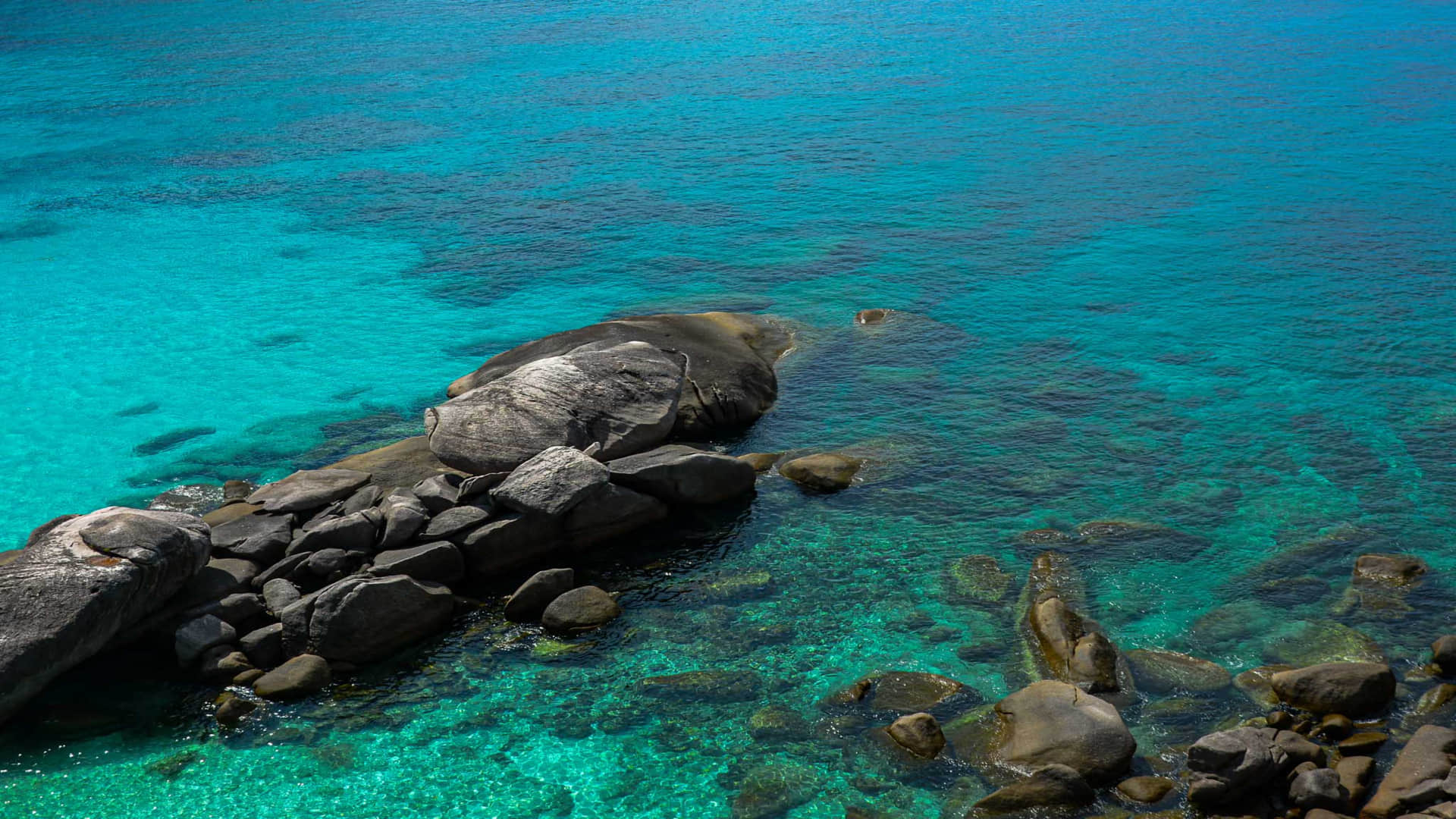
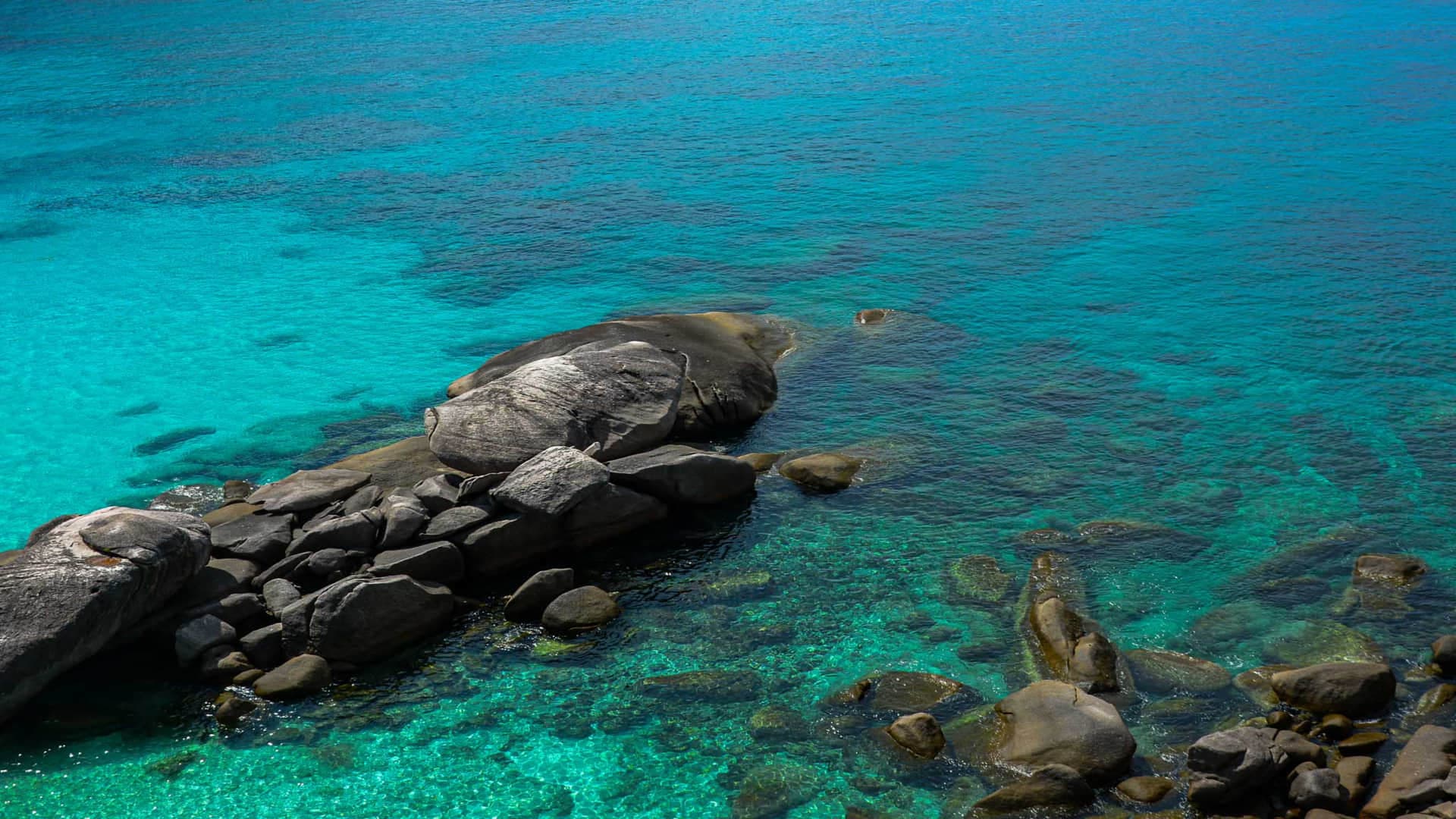
As a protected national park with a defined open and closed season, the Similan Islands maintain impressive coral cover and fish life compared to more heavily trafficked areas. Healthy hard and soft corals, sea fans, and sandy patches support everything from wide‑angle scenery to macro critters.

Abundant Marine Life
Manta rays, seasonal whale sharks, reef sharks, schools of barracuda, giant trevally, and countless reef fish species are all possible here in the right conditions. At the same time, nudibranchs, seahorses, shrimp, and octopus reward those who love to slow down and look closely.

Variety Across Multiple Sites
With nine main islands and numerous named dive and snorkel sites, no two days at Similan feel quite the same. Different topography, currents, and depths keep both multi‑day liveaboard trips and single‑day visits engaging.

Unspoiled Beaches and Wilderness Feel
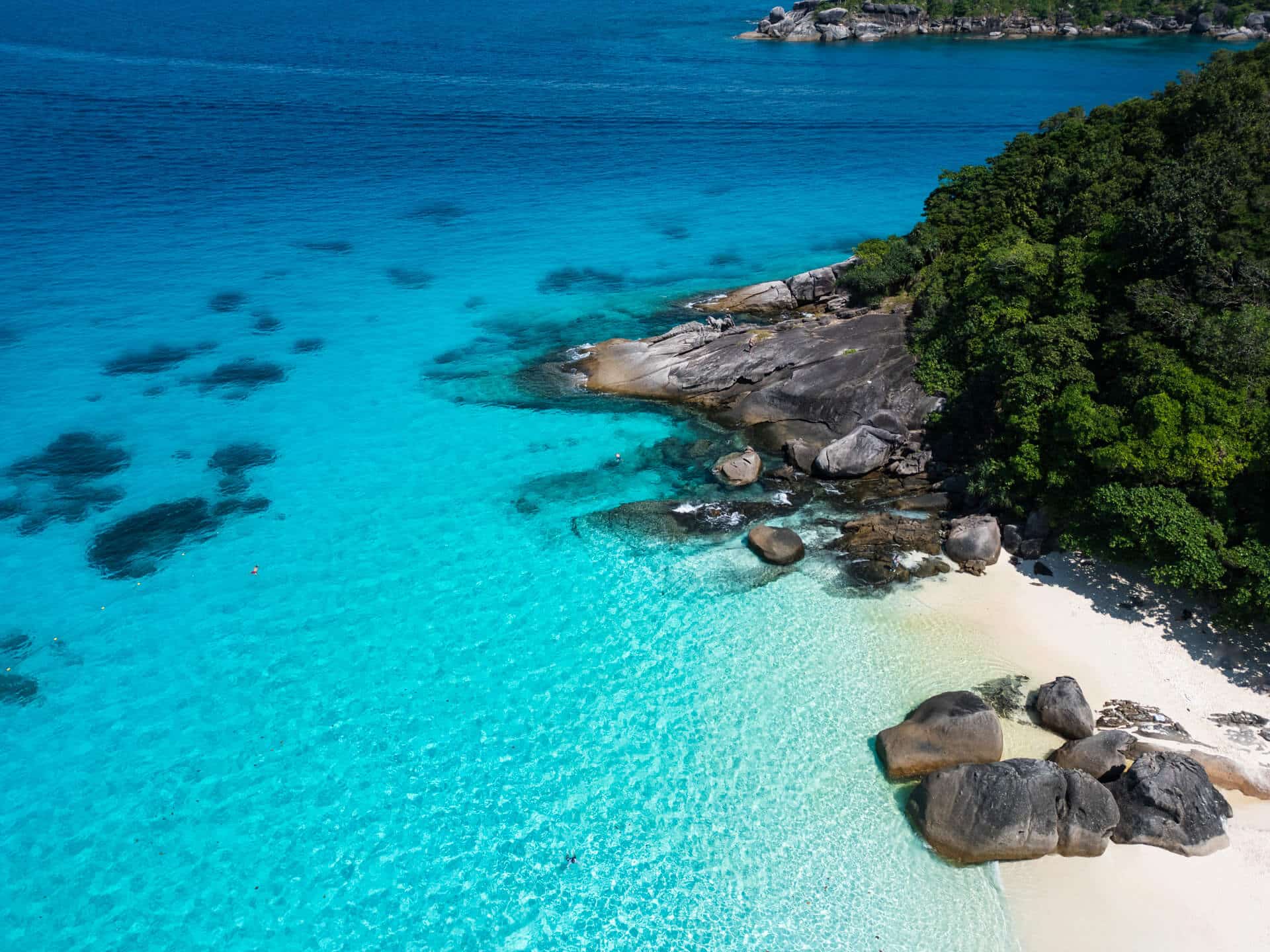
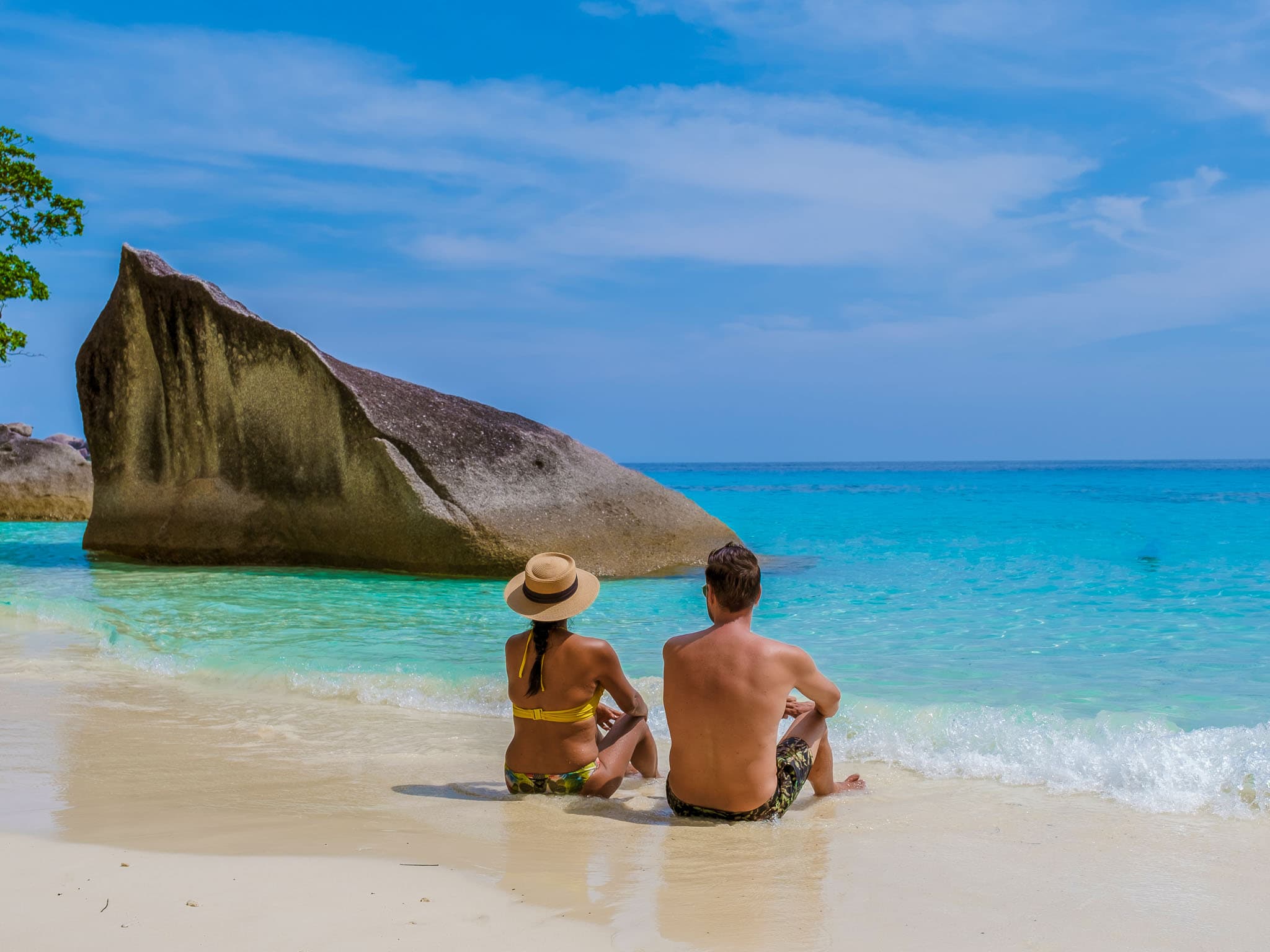
On selected islands, short beach stops reveal stretches of white sand and turquoise water with almost no permanent buildings. Facilities are intentionally limited, so the overall feel is of a quiet, protected marine wilderness rather than a resort scene.
Best Time to Visit the Similan Islands
The Similan Islands follow a strict national park season, with a long closure each year to protect visitors and the environment.
Month‑by‑Month Feel
November–December
Often offers excellent visibility and pleasant air temperatures; also a busier time for tourism
January–February
Typically stable weather, consistent diving conditions, and a good window for both day trips and liveaboards
March–April
Still strong underwater conditions, slightly warmer water, and a popular period for longer dive itineraries
Shoulder Around Closure
Early season (from mid‑October) and the weeks before mid‑May can see more changeable conditions, depending on monsoon patterns.
For most visitors, planning Similan trips between November and April gives the highest chance of calm seas and clear water.
Who Should Consider the Similan Islands?
The Similan Islands will not suit every traveller, but they are a standout choice for certain types of guests.
Experienced Divers
Certified divers who enjoy varied topography, deeper profiles, and the chance of big‑animal encounters often place Similan high on their wish list.
Training and Certification Seekers
Some operators offer entry‑level and advanced courses in season, combining skill development with world‑class dive sites.
Photography Enthusiasts
The combination of clear water, boulders, coral, and marine life is ideal for both underwater photography and videography
Serious Snorkelers
Comfortable swimmers can enjoy rewarding reef views at designated snorkeling locations, provided they are briefed on conditions
Small‑Group and Liveaboard Fans
Multi‑day liveaboard trips suit those who like an immersive, community feel and multiple dives per day.
Adventurous First‑Time Divers
With proper training and medical clearance, beginners can complete courses and enjoy carefully chosen sites suited to their level.
Nature, Park Rules, and Responsible Visiting
Similan Islands are part of Mu Ko Similan National Park, a protected marine area with strict rules designed to keep beaches, reefs, and wildlife healthy. Visitor numbers, boat moorings, and access to certain bays are regulated each season so that coral and fish populations have time to recover between busy periods.
Guests are asked to follow simple low‑impact practices while exploring the islands. That means no touching or standing on coral, no collecting shells, no feeding fish, and taking all rubbish back to the boat so that the famous white sands and clear water remain unspoiled for future visitors.
Iconic Viewpoints and Bays
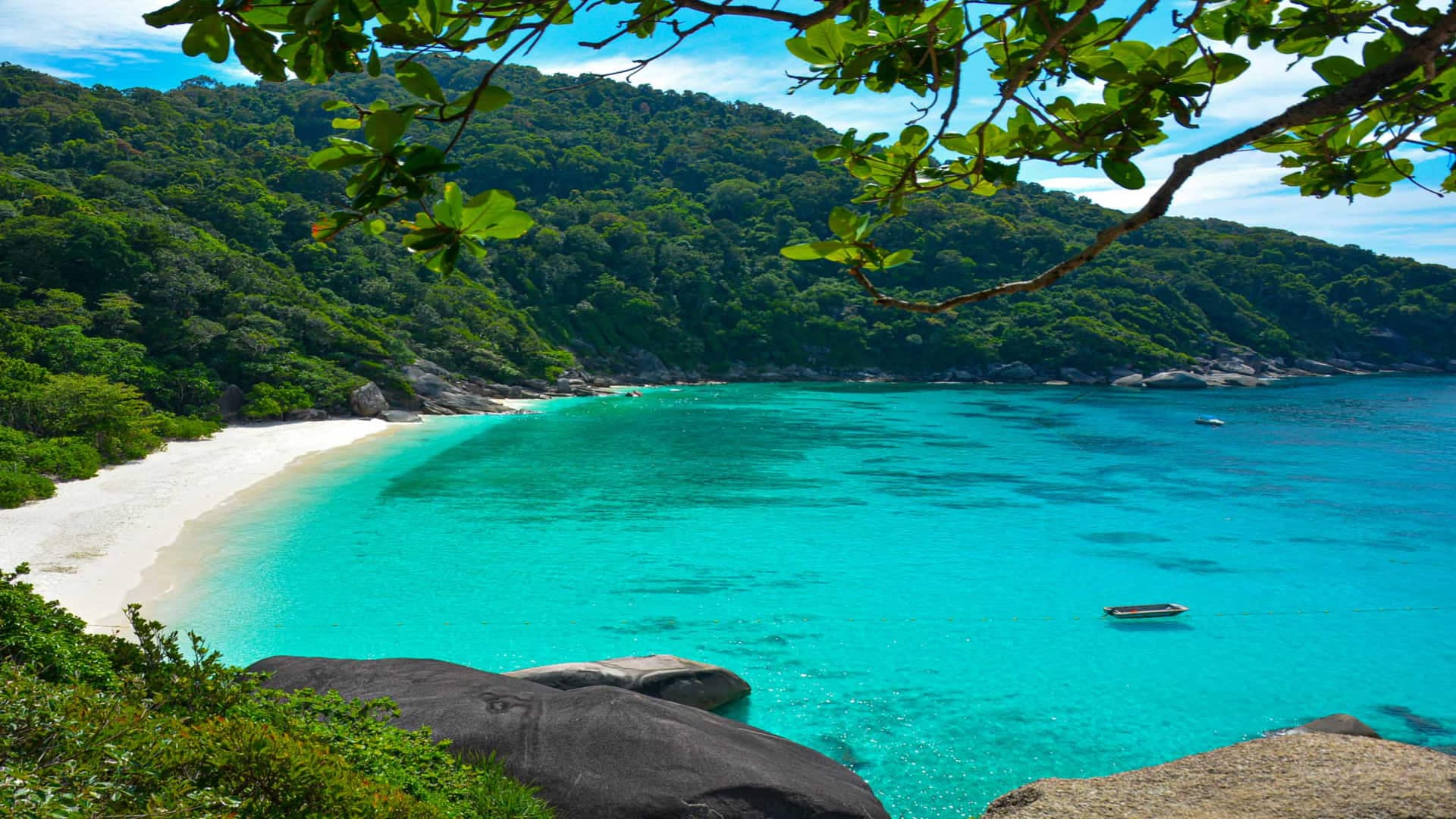
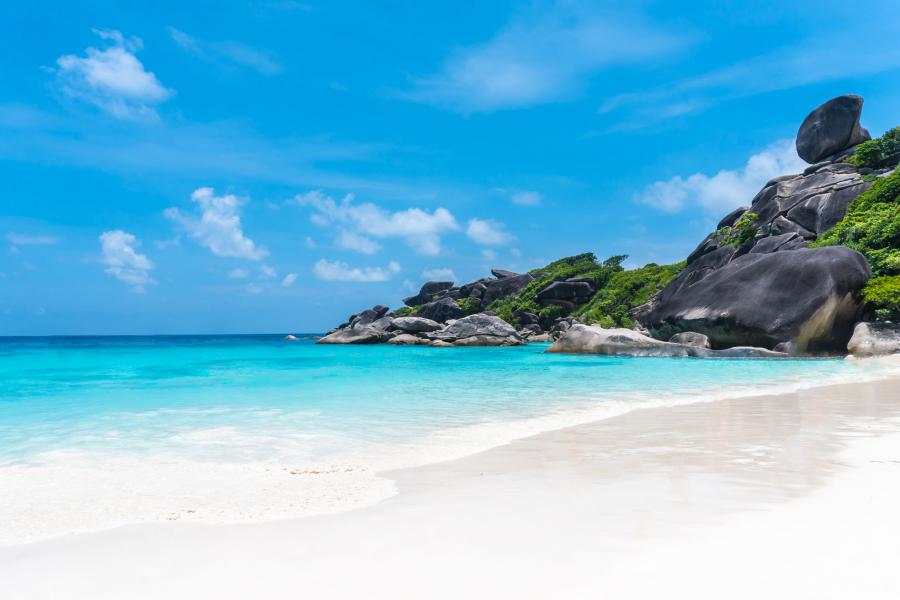
Some of the most recognisable images of the Similan Islands come from Koh Similan (Island No. 8), where the Sail Rock viewpoint looks down over Donald Duck Bay and its bright turquoise water. Short hikes between dives or snorkel sessions reward visitors with sweeping views across white sand beaches and boulder‑framed bays.
White Sand Beaches and Clear Water
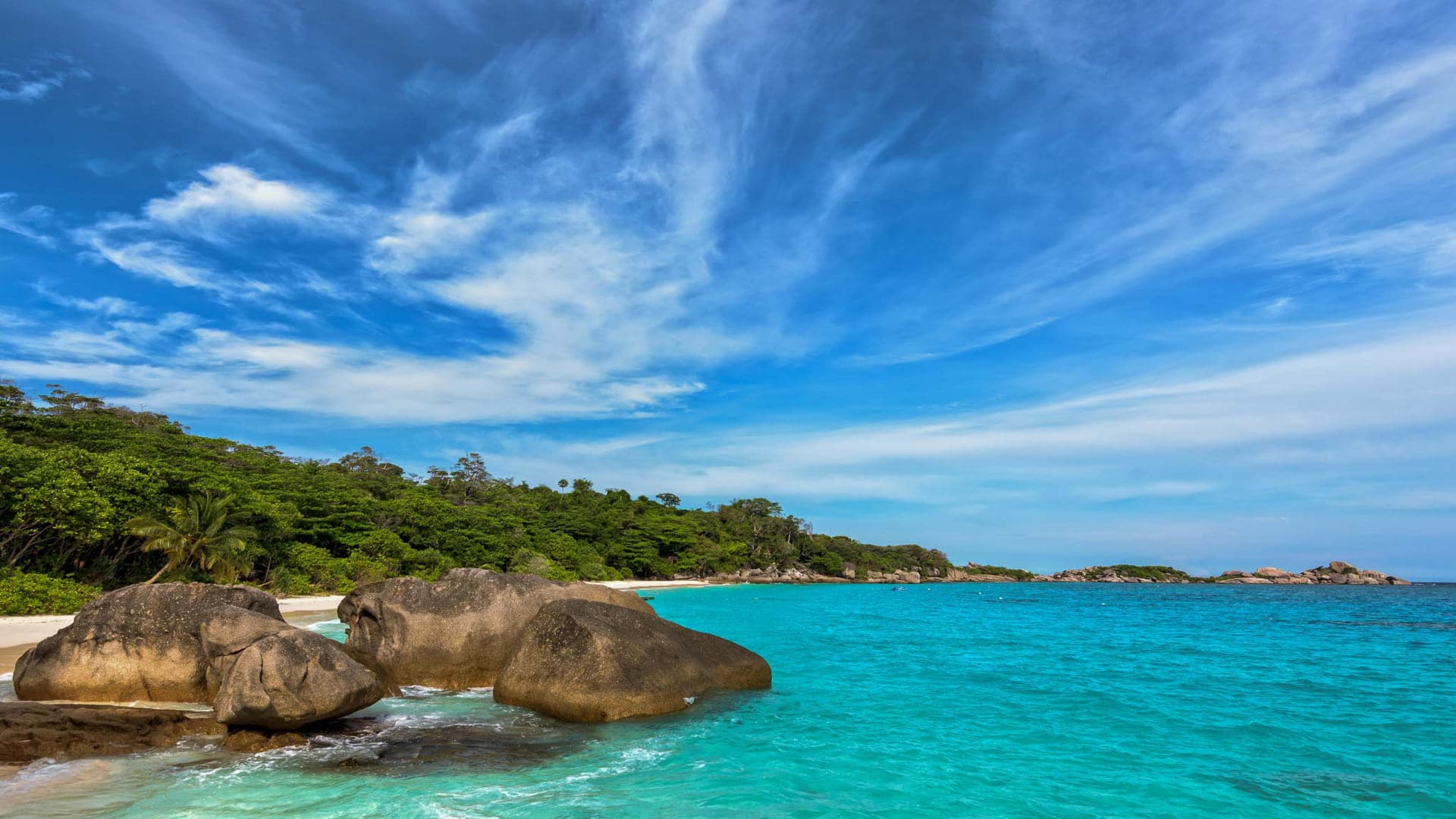
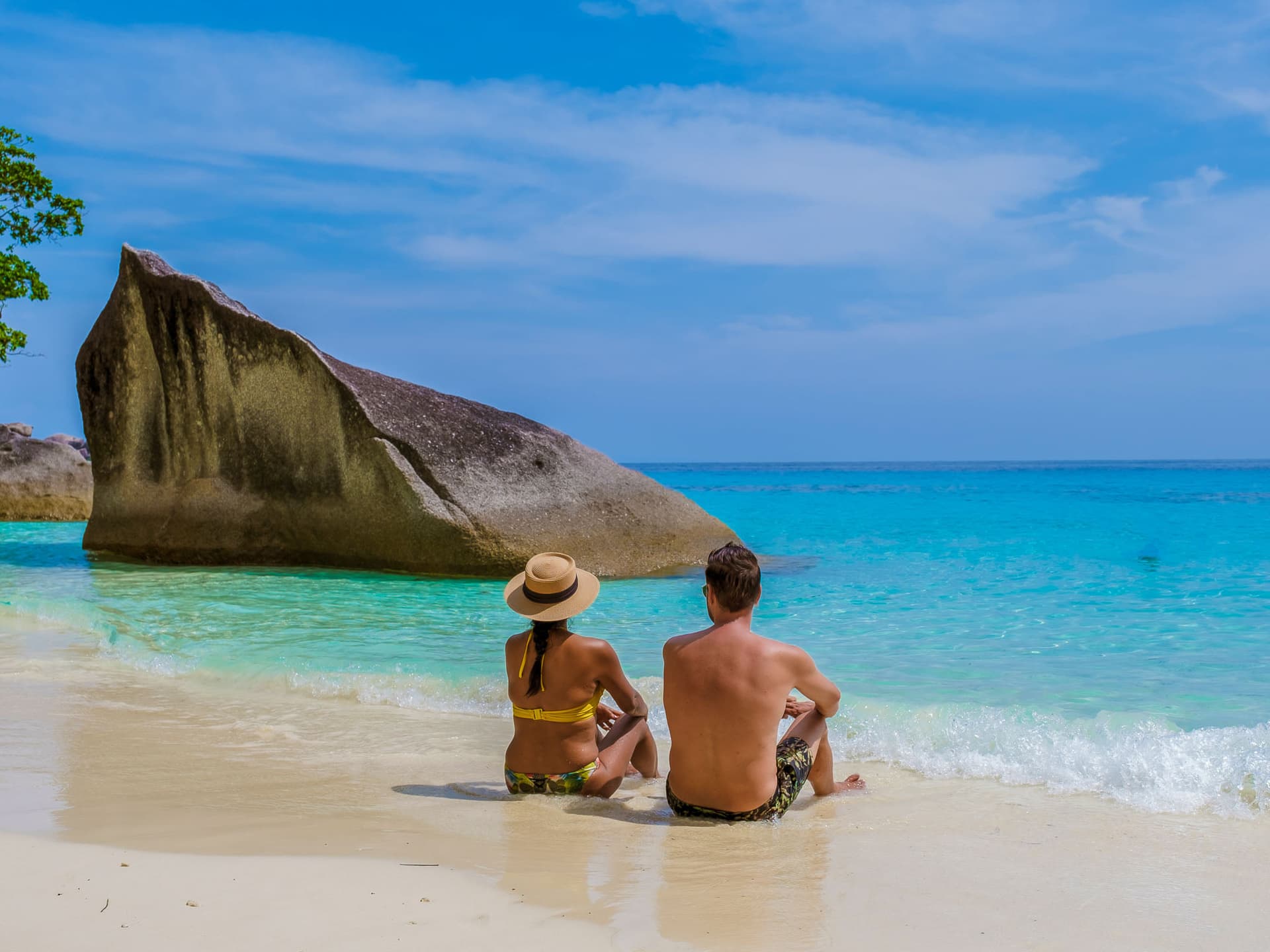
The Similan Islands are known for long stretches of fine white sand and clear, blue‑green water that makes both swimming and shoreline snorkeling especially inviting. On permitted beaches, visitors can relax between water activities, keeping an eye on the changing colours of the sea as light shifts through the day.
Snorkeling Straight Off the Beach
Shallow reefs close to shore at places such as Princess Bay and Donald Duck Bay allow snorkelers to see coral gardens and tropical fish without needing deep water. Parrotfish, butterflyfish, schools of smaller reef fish, and the occasional sea turtle are all commonly reported by guided day trips.
National Park Rules and Eco Practices
As part of a protected marine national park, the Similan Islands have strict rules about wildlife interaction, waste, and plastics. Single‑use plastics are discouraged or banned, rubbish must be taken back to the boat, and visitors are asked not to touch coral, chase animals, or feed fish so that the reefs remain healthy for future seasons.
Practical Information for Visiting the Similan Islands
Distance and Access
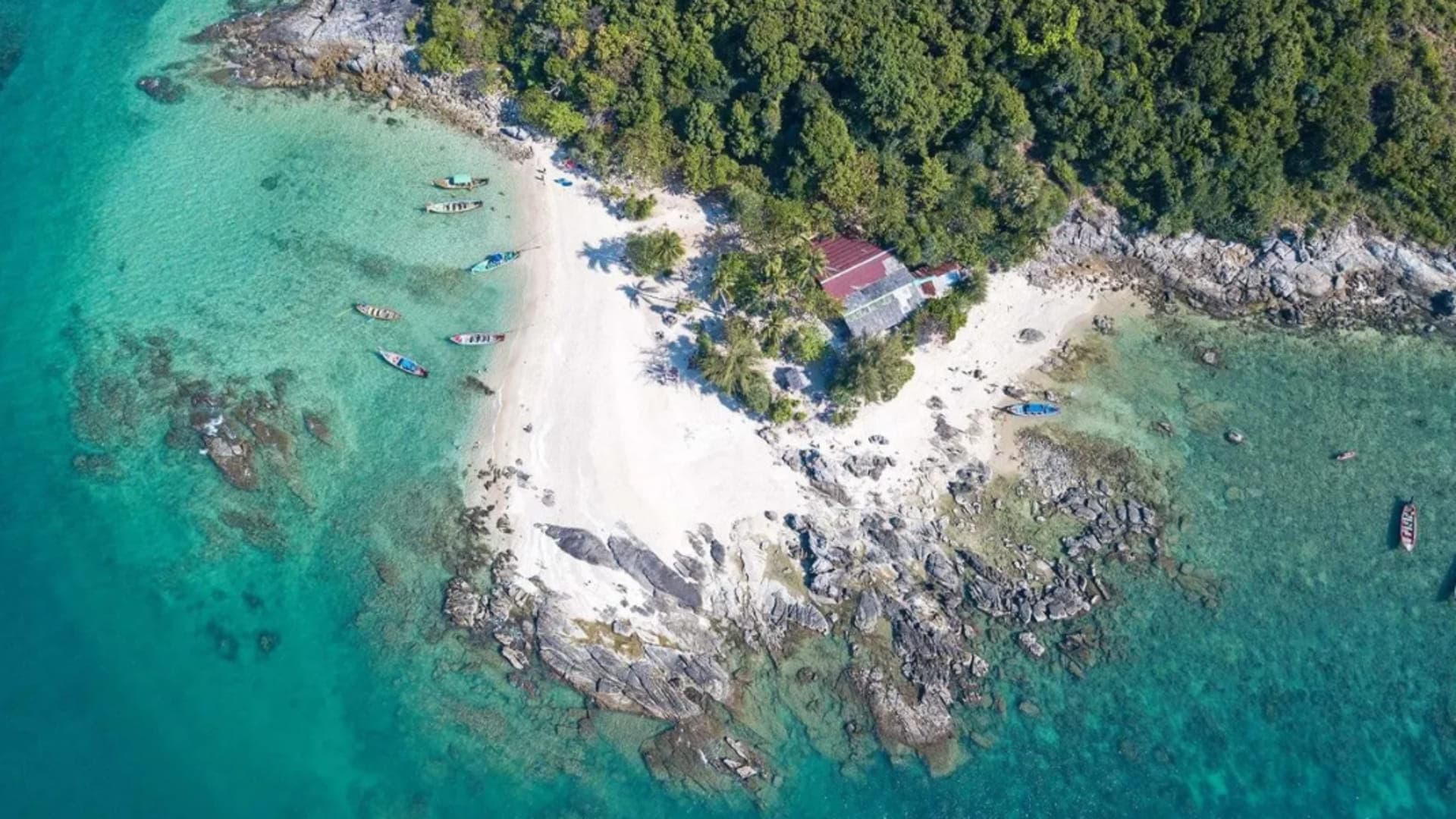
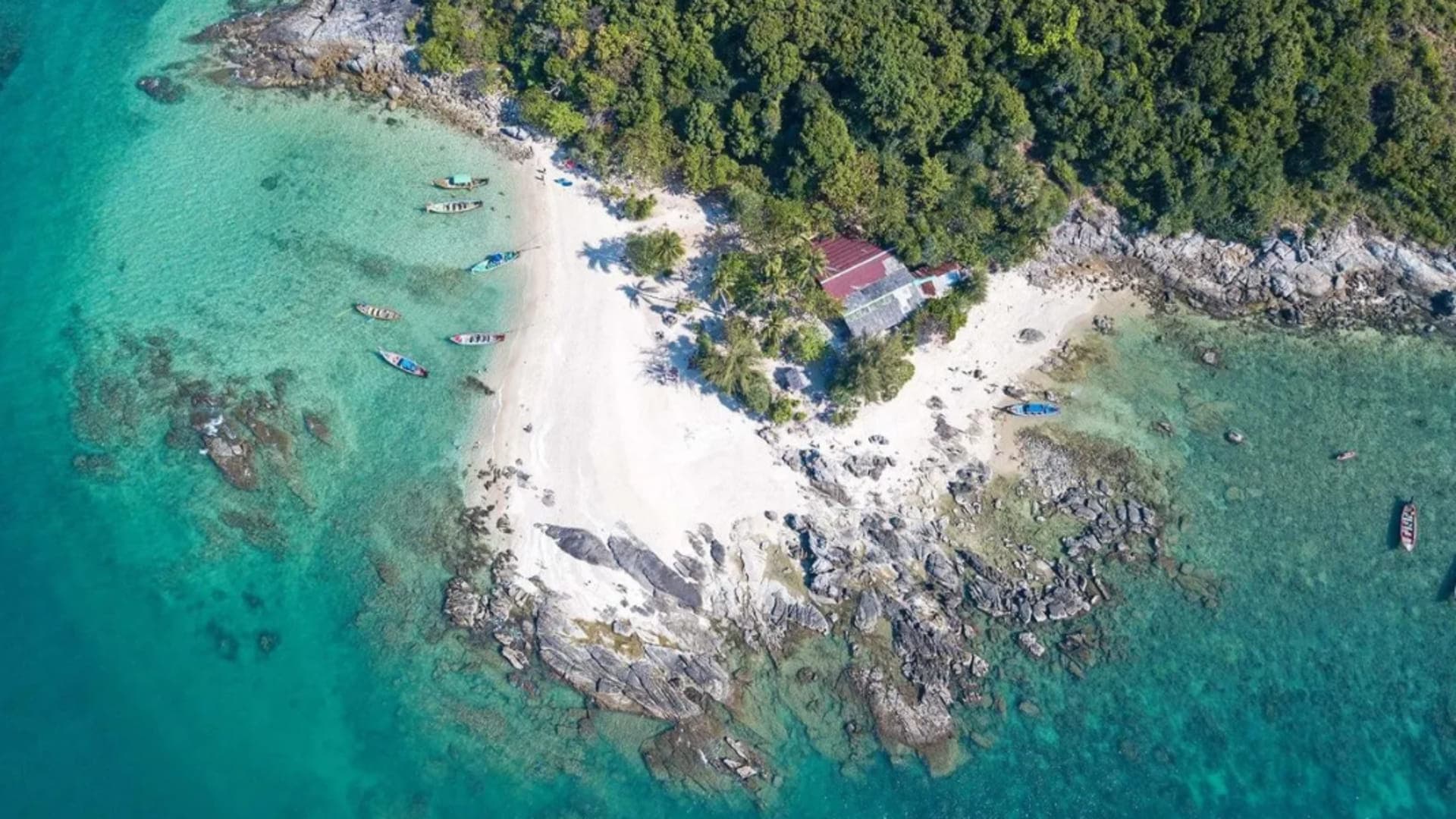
The Similan Islands lie more than 50 kilometres off Thailand’s Andaman coast, with access controlled by Mu Ko Similan National Park authority. Most visitors join organised day trips or liveaboard itineraries departing from approved piers, as private access is restricted.
Typical Trip Durations
- Snorkeling Day Trips: Often full‑day experiences including transfers, several snorkel stops, and simple beach time where permitted.
- Single‑Day Diving: Usually 2–3 dives with an early start and late‑afternoon return.
- Multi‑Day Liveaboards: Commonly 3–5 days, allowing access to more remote sites and early‑morning or night dives.
Diving Requirements
Most Similan dive sites require at least Open Water certification, with Advanced or higher recommended for deeper and more exposed sites. Many operators ask for recent logged dives or suggest a refresher if you have not dived in a while.
Physical Demands
Boat rides can be bumpy at times, especially on windier days around the edges of the season. Guests should feel comfortable swimming in open water with flotation support and be able to use boat ladders and move safely around a moving vessel.
Cost Considerations
Similan trips are generally priced higher than some closer island tours because of distance, fuel, national park fees, and specialist diving infrastructure. Liveaboards represent a bigger investment but offer significantly more time at the sites and an all‑inclusive experience on board.
FAQ
Similan Islands FAQs
Subscribe for latest update about Travelling
Subscribe to receive updates about new tours, special offers, and travel tips for Thailand.