

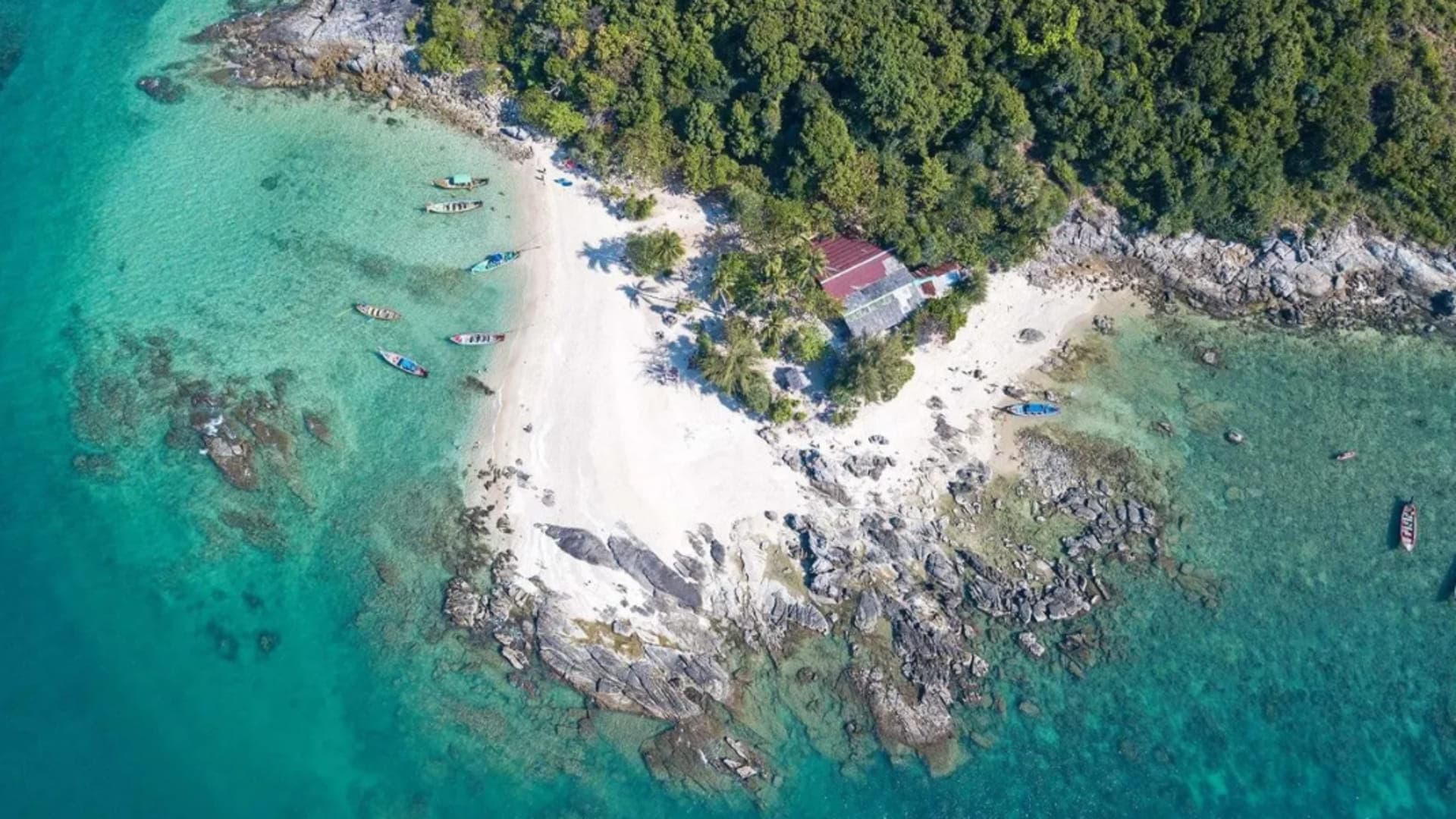
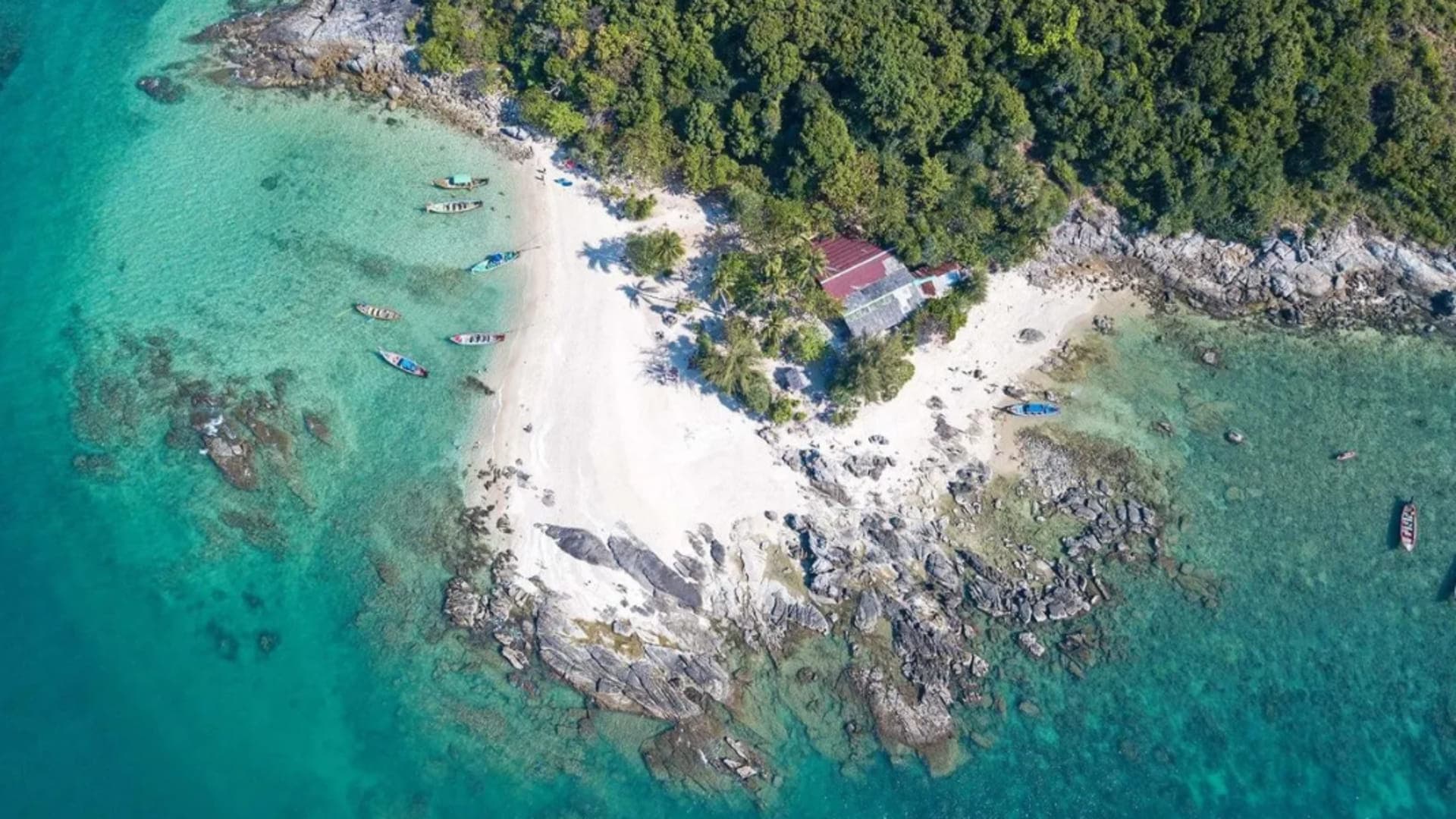
Ko Bon: Remote Island Diving with Manta Ray Possibilities
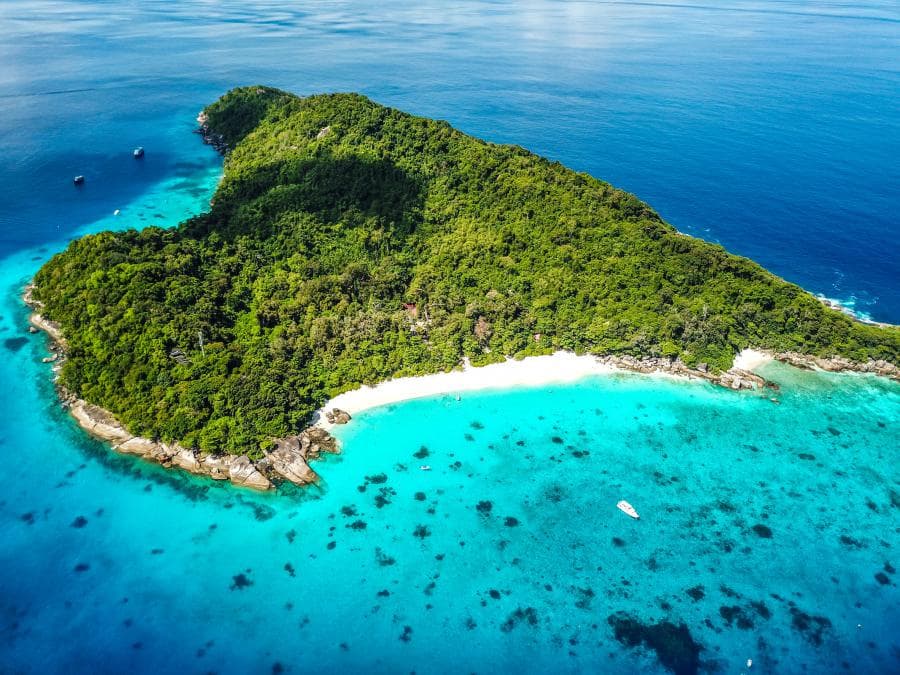
Ko Bon sits at the northern edge of the Similan Islands, further from Phuket than other islands in the chain. This remoteness is precisely what makes it special. Fewer day-trippers, more immersive experiences, and the kind of genuine expedition feeling that appeals to adventurous divers.
Ko Bon is legendary among serious divers for consistent manta ray encounters during the dry season. Manta rays pass through the island’s channels seasonally, creating some of the most memorable dive encounters possible—swimming alongside these gentle giants in their natural habitat.
The island isn’t just about mantas, though. The diving is world-class, the environment is pristine, and the remoteness creates genuine adventure feeling.
This is diving for serious adventurers.
Why Visit Ko Bon?
Manta Ray Encounters (Seasonal)
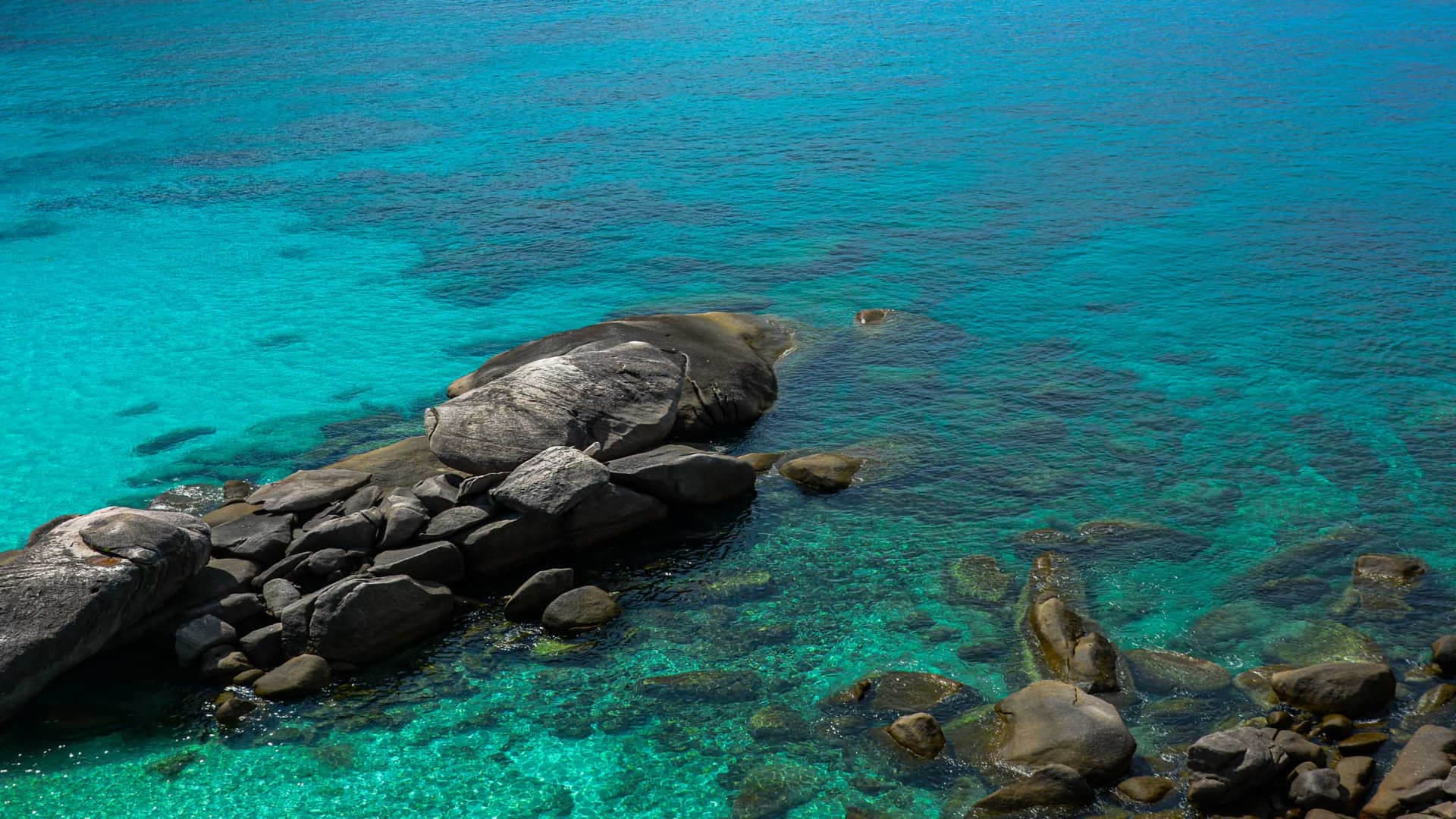
Ko Bon is famous throughout the diving world for manta ray encounters. During the dry season (particularly January to April), manta rays migrate through the channels around the island.
Swimming alongside a manta ray—a gentle giant with an 3-4 meter wingspan—is a life-changing experience. These encounters happen regularly enough at Ko Bon that many divers specifically travel here hoping for this encounter.
Remote Location
Ko Bon is the furthest island in the Similan chain from Phuket. This remoteness means:
- Fewer tourists (day-trip crowds don’t reach here)
- More pristine diving conditions
- Genuine expedition feeling
- Small group intimacy
- Authentic experience of remote island diving
Dramatic Underwater Topography
Ko Bon features dramatic topography: deep channels, sheer walls, strong currents in some areas, and interesting marine environments.
The current conditions that attract manta rays also create dynamic diving. Drift diving through channels with potential manta encounters keeps you alert and engaged.
Pristine Marine Ecosystem
Being remote, Ko Bon maintains exceptional marine health. Large fish populations, healthy coral, and diverse marine life indicate thriving ecosystems.
Liveaboard Experience
Ko Bon is typically visited via liveaboard dive boats. Multi-day stays allow exploration of multiple sites and increased chances of manta encounters.
What You’ll Experience at the Ko Bon
A Ko Bon experience typically unfolds like this:
Liveaboard Journey
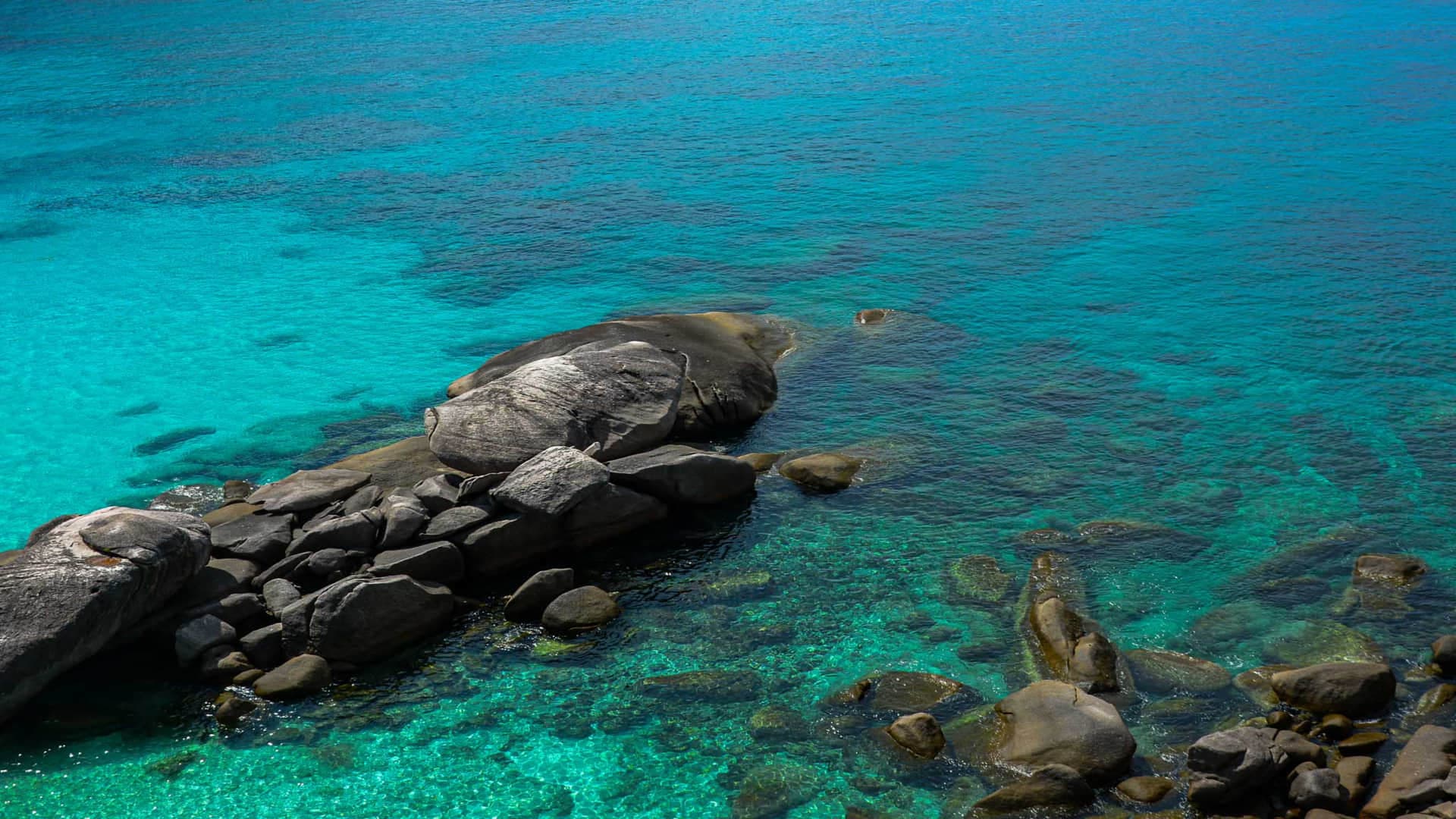
You board a dive boat in Phuket and spend the night traveling to Ko Bon. Dawn arrives as you approach the remote island. The journey itself creates anticipation.
Multiple Dive Sites
With several days, you dive multiple sites around Ko Bon:
- Manta channels – Where mantas seasonally pass through
- Deep walls – Dramatic drop-off diving
- Sandy slopes – Macro diving and smaller creatures
- Current passages – Challenging drift diving for advanced divers
Manta Encounter (If Fortunate)
Seasonal manta encounters are possible but never guaranteed. When mantas appear—and they do regularly during dry season—the experience is extraordinary.
Swimming alongside a graceful giant in the water is profound. Most divers who encounter mantas describe it as a career highlight.
Liveaboard Camaraderie
Multi-day diving creates camaraderie among divers. Sharing meals, diving together, and pursuing the manta encounter creates bonding.
Advanced Diving Skills
Ko Bon’s currents and conditions provide excellent training for advanced skills. Drift diving, current management, and deep diving challenge and develop your abilities.
Minimal Tourist Impact
The remoteness and liveaboard requirement mean Ko Bon doesn’t attract casual tourists. This preserves the pristine feel and small group dynamics.
Who Should Visit Ko Bon?
Ko Bon appeals to:
Serious Divers: Advanced or skilled divers seeking challenging, remote diving.
Manta Enthusiasts: Divers specifically seeking manta ray encounters.
Liveaboard Lovers: Those who prefer multi-day diving experiences.
Adventure Seekers: Remote location and challenging conditions appeal to adventurous divers.
Photography Enthusiasts: Manta rays and dramatic topography create memorable shots.
Current Divers: Drift diving and current management develop advanced skills.
Anyone Seeking Pristine Remote Diving: Ko Bon represents authentic remote island diving.
Ko Bon isn’t ideal for:
- Inexperienced divers (currents and depth require skills)
- Those seeking guaranteed easy diving
- Anyone uncomfortable with rough boat conditions to reach remote location
What’s Included in Your Ko Bon Tour
All Simba Sea Trips Ko Bon tours include:
- Liveaboard accommodation for duration of trip (typically 3-4 days)
- Professional divemaster familiar with Ko Bon sites and manta encounters
- Multiple dives at various Ko Bon sites
- Diving equipment (or bring your own)
- All meals aboard the liveaboard (breakfast, lunch, dinner)
- Nitrox available for extended bottom time
- Safety equipment and comprehensive dive briefings
- Park entrance fees
- Ground transportation to/from Phuket pier
What to bring:
- Diving certification (Advanced Open Water recommended, Rescue preferred)
- Reef-safe sunscreen
- Hat and sunglasses
- Quick-dry clothing
- Swimwear
- Underwater camera (if interested in photography)
- Personal toiletries
- Any specific dive gear preferences
- Motion sickness medication (if needed—boat is larger but ocean journey is extended)
- Log book to record dives
What Our Customers Say
Excellent

4.9 based on 4232 reviews


100% worth it
We have done this tour twice now. Once in 2024 and again in 2026 - both times were excellent. I would recommend it to everyone. The early wake up is 100% worth it. This time we took my parents (in there late 70s) who had a great time also. The staff were very helpful.

Brilliant day trip
Excellent day despite the early start but this meant no queues or big groups we missed all that. We loved the trip Noinoi and his staff were brilliant and the lunch was fabulous too. James Bond Island and beyond so worth it and great value for money

Fantastic excursion 👌
It may have seemed an early start, but really was worth every minute. Everything was seamless from collection at hotel to drop off on return. It was really quite special setting off in the dark and watching the sunrise as we sped through the Andaman. Getting to Maya Bay before the crowds was ideal, our guide Josef and his colleagues were fun, friendly and professional. Stop offs and snorkelling were great. The snacks, breakfast and Thai meal at the end of the trip were all top notch. Highly recommend this company and would use again when visiting siting Thailand 👌

Practical Information
Distance and Journey
Ko Bon is the furthest Similan island from Phuket—approximately 75km offshore. Liveaboard journey is 4-5 hours from Phuket pier, typically departing late afternoon and arriving at Ko Bon next morning.
Trip Duration
Multi-day liveaboard trips typically 3-4 days, including travel time. Diving days vary from 3-6 dives depending on trip length and conditions.
Physical Fitness
Moderate to good fitness required. Diving is demanding. The ocean journey to a remote location requires physical resilience.
Diving Certification
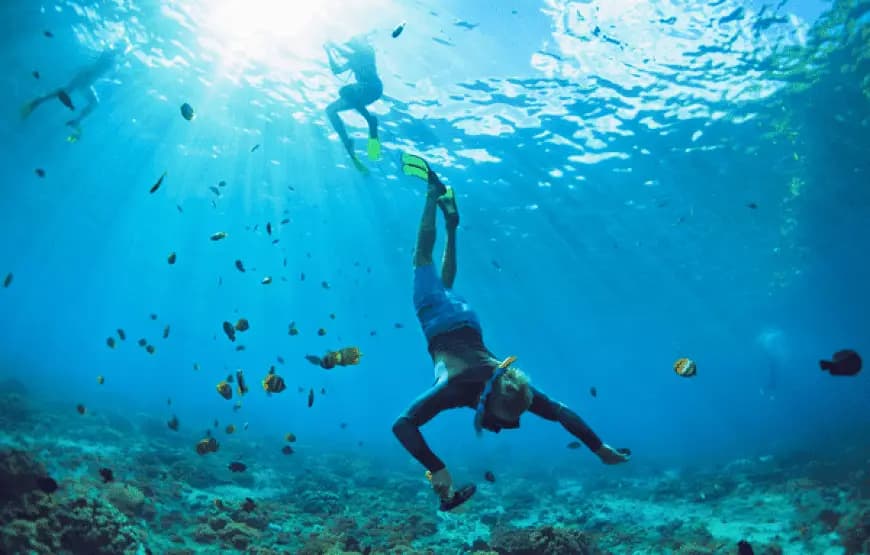
Advanced Open Water minimum recommended. Rescue Diver certification advantageous. Nitrox certification helpful for deeper, longer dives.
Currents and Challenges
Ko Bon dives involve currents. Drift diving is common. You need current diving skills or must be willing to develop them. Dive briefings always include current discussion.
Weather Dependent
Ko Bon access is weather-dependent. Rough seas may cause schedule changes or rescheduling. This is part of remote island diving—you adapt to conditions.
FAQ
Frequently Asked Questions
Subscribe for latest update about Travelling
Subscribe to receive updates about new tours, special offers, and travel tips for Thailand.